A Loose Network or a Formal Group?
A loose network or formal group shapes how a movement shares work, carries responsibility, and adapts. Learn which structure fits the task at hand.

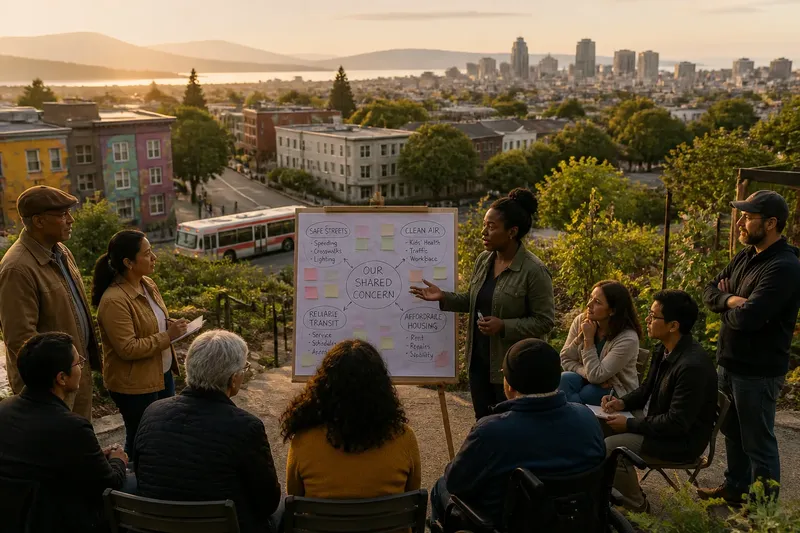
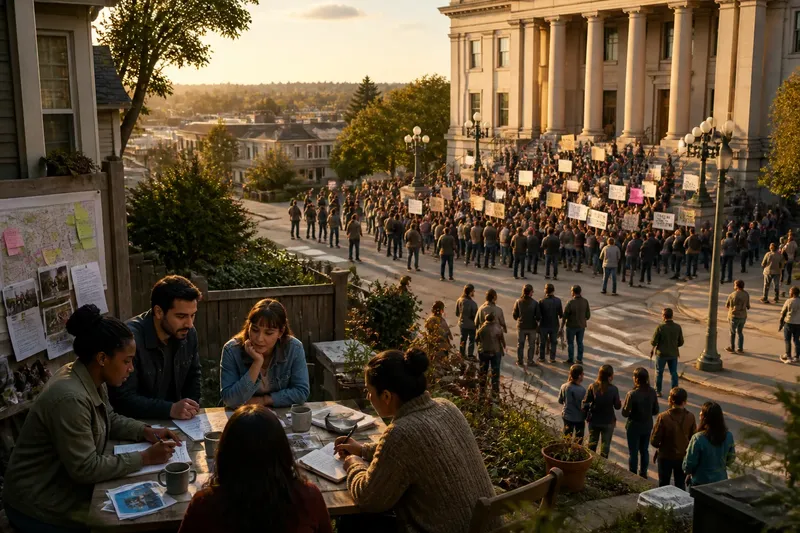
A loose network or formal group makes a difference as soon as a movement needs to turn shared concern into coordinated work. A neighborhood campaign may begin with neighbors passing along meeting details, while a nonprofit association can assign roles, hold funds, and speak in its own name. Neither structure is inherently more committed; each makes different kinds of participation easier and different responsibilities harder to avoid.
The useful question is not which form is best in general, but what the group needs to do next. A network can keep initiative close to participants. A formal organisation can make decisions and obligations legible beyond the immediate circle. Many movements use both, sometimes uneasily, because their work calls for different arrangements at different moments.
What distinguishes a loose network from a formal group?
A loose network coordinates through relationships, shared purpose, and informal communication rather than a central membership structure. Participants may join a gathering, circulate a message, or take on a task without enrolling in an organisation or accepting a continuing role. Authority often rests on trust, experience, or a person’s ability to bring others together.
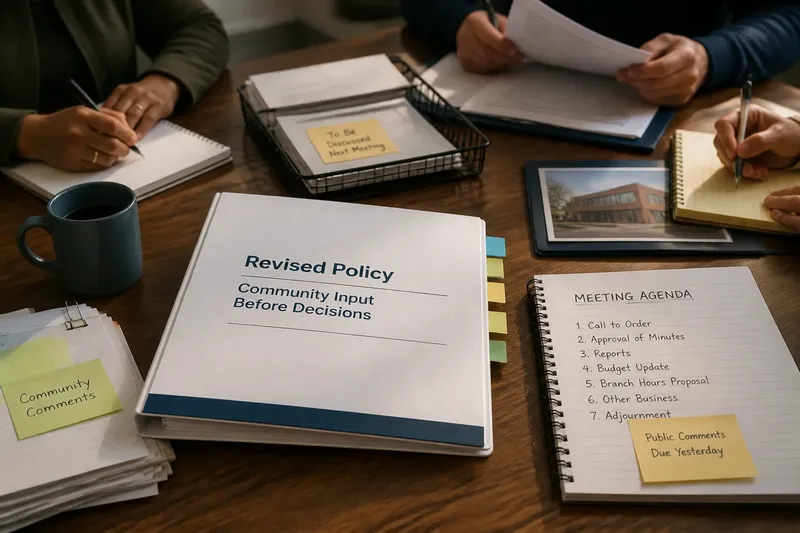
A formal group has an identifiable structure that can include membership rules, elected officers, written procedures, a board, or legal status. Those features make it possible to assign ongoing duties and represent the group in defined ways. A local coalition might have a steering committee and meeting rules while still depending on an informal network to reach people who do not attend committee meetings.
The difference is a matter of degree, not a clean divide. A network can develop recurring roles, and an organisation can leave substantial room for participants to act independently. What matters is whether people can tell how decisions are made, who is responsible for a commitment, and how newcomers can take part.
How does each structure coordinate participation?
Networks coordinate by making connection easy. A message in a group chat, a shared calendar, or a trusted person’s invitation can bring participants into a particular action without requiring them to join a standing body. This is useful when the task is clear and people can contribute in varied ways, but it can leave participants unsure which invitation reflects a real group decision.
Formal organisations coordinate through roles and agreed processes. A volunteer coordinator can match people to shifts, while a secretary can circulate decisions and record commitments. Such routines give participants a reliable point of contact, though they also ask people to spend time maintaining the structure itself.
Consider an invented situation: a tenant network wants to help residents attend a public meeting about building repairs. Someone shares the date, another offers a ride, and residents agree to speak from their own experience; the observable result may be a coordinated turnout, but no one is automatically responsible for follow-up. If the group instead has a designated organiser and a clear process for collecting questions, it can send a consistent account afterward, while participants may need to accept more formal coordination.
Good coordination matches the task’s demands rather than forcing every contribution into the same channel.
Who carries responsibility when plans change?
In an informal network, responsibility tends to be personal and immediate. The person who offered to book a room, contact a partner, or share a public statement is usually the person others approach when that task stalls. This can keep responsibility close to action, but the wider group may not know who made a commitment or what authority that person had.
A formal group can assign responsibility to a role or body, making handoffs more visible. A treasurer may oversee a shared account, and a board may be answerable for decisions made on the organisation’s behalf. Written roles do not by themselves ensure accountability: participants still need ways to question decisions, correct records, and replace people who no longer serve.
Public representation deserves particular care. In a network, a participant can describe their own view without implying that every connected person agrees. An organisation can authorize a spokesperson, but it should make clear what that person may say and how affected members can shape the position.
When a commitment affects people beyond the organisers, make the decision and its owner visible.
Which structure adapts better when circumstances shift?
Networks can adapt quickly because participants do not have to wait for a formal meeting or amendment to a procedure before trying a new approach. People may form a temporary working group, change a meeting place, or redirect a message through another channel. That flexibility can also make a network hard to steer: participants may pursue conflicting plans, and quieter members can be left out of rapid conversations.
Formal organisations can adapt by using defined decision routes. If a policy gives a coordinator authority to change an event plan, a decision can be made without consulting every member; if the change falls outside that authority, the group knows which body must consider it. The process may take longer, but it can establish who was consulted and why a choice was made.
The best arrangement depends on the kind of change. A sudden need to move a public gathering may call for delegated authority and quick communication. A change in the group’s purpose, public position, or use of shared resources deserves broader discussion and a record participants can revisit.
When should a movement formalize its work?
Formal structure becomes more useful when recurring obligations outlast the people who first took them on. Holding funds, signing agreements, coordinating regular services, or maintaining a continuing relationship with an institution can create duties that informal trust alone cannot reliably carry. Formalisation can also help newcomers understand how to join and what the group can promise.
It is less useful when procedures absorb the time and attention needed for the work itself, or when a small circle gains control simply because it understands the rules. Before creating a board, membership system, or legal entity, participants can ask what specific responsibility the structure will make clearer and who might find participation harder as a result.
Formal status is not a substitute for agreement about purpose. A group may need a basic process for decisions and representation before it needs extensive rules. If money, contracts, or legal obligations are involved, the appropriate structure depends on local requirements and the group’s circumstances; qualified advice can help clarify those obligations.
What questions help decide between a network and an organisation?
Can an informal network make decisions clearly?
It can, if participants know where proposals are raised, how disagreement is handled, and who may commit the group. If people repeatedly discover decisions after the fact, a clearer process or a defined coordinating role may be needed.
Does a formal organisation discourage participation?
It can if meetings, eligibility rules, or specialist language make the group difficult to enter. Clear explanations, accessible ways to contribute, and meaningful routes for members to influence decisions can keep structure from becoming a gate.
Can a movement use both forms?
Yes. An organisation can hold responsibilities that require continuity while a wider network shares information, builds relationships, and joins particular actions. The boundary should be explicit so network participants are not assumed to endorse decisions they did not make.
What is the first sign that the current form no longer fits?
A recurring task may depend on one person’s memory, or participants may disagree about who can speak or decide. Those are practical signals to clarify roles and processes, whether through a modest agreement or a more formal structure.
How can a group change form without losing trust?
Start with the responsibility that is difficult to carry under current arrangements. Participants can name the task, identify who is affected, and agree on the smallest process that makes ownership and review clear. A short written agreement may be enough; a legal organisation is not always the next necessary move.
Explain what will change and what will remain open. If a small team is authorized to handle routine logistics, say whether it can also speak publicly or spend shared funds. Invite people who have been absent from earlier decisions to comment before the new arrangement becomes difficult to revise.
Review the arrangement after participants have used it. A process that works for a recurring public meeting may not suit a sensitive decision about representation. Keep the parts that help people act together, and revise procedures that obscure responsibility or make participation unnecessarily difficult.
The choice between a loose network and a formal group is ultimately a choice about how a movement makes commitments visible. A network can preserve room for initiative; an organisation can carry duties across changing membership. The clearest arrangement is the one participants can explain to one another, including who can act, who must be consulted, and how the decision can be reconsidered.
When comparing a loose network or formal group, look first at the next real commitment the movement must carry. Its demands reveal whether relationships alone are enough or whether a durable role, record, or decision process would help people keep faith with one another.